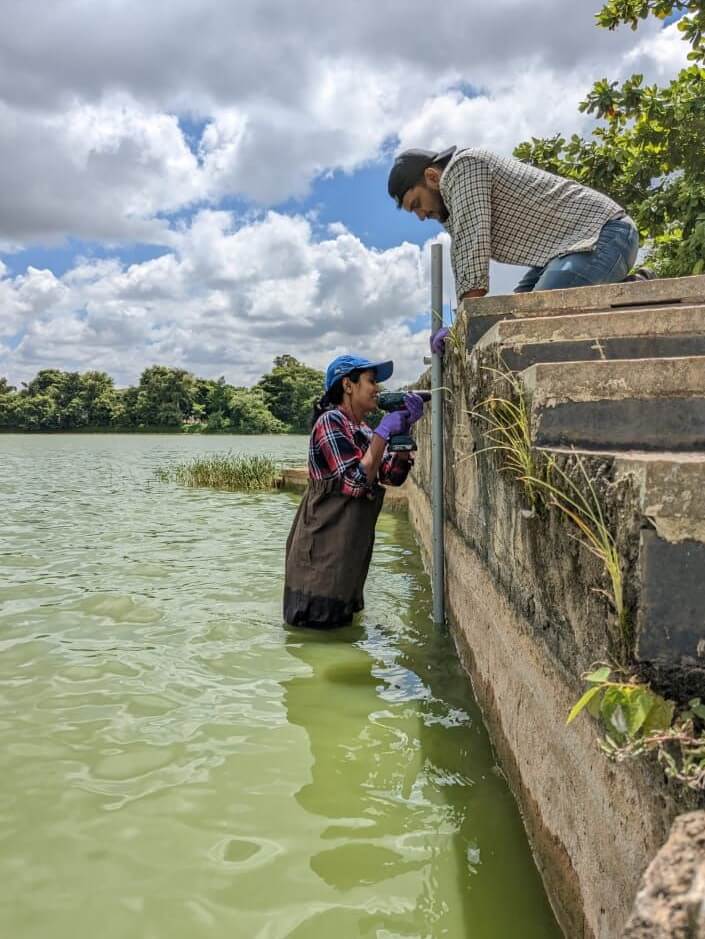
The Research and Development team acts as an internal service provider for our initiatives by answering specific questions. For example: How much water flows through cities? What restoration methods work where? The team collaborates with universities, NGOs and think tanks to understand problems on the ground. They also put together digital tools and capacity-building programmes to address knowledge gaps, and disseminate knowledge through freely-available guides and reports.
CSOs, philanthropies use our problem diagnosis products in their geographies.
Enable the social innovation ecosystem to be better matchmakers of problems and solutions using data-backed products.
Digital Tools
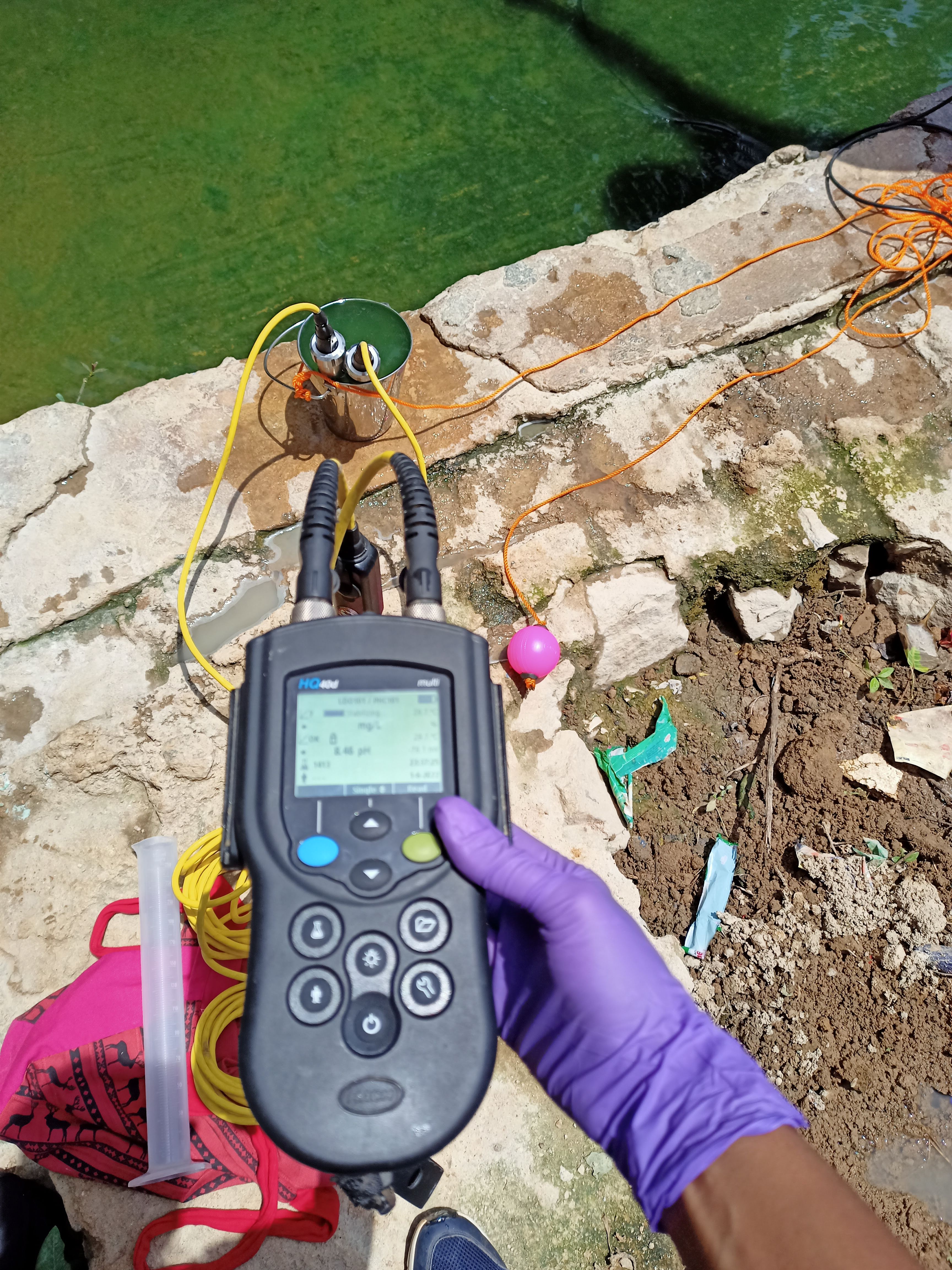
In our conversations with grassroot communities about their water management challenges, lack of water data and hydrological expertise to use the data emerged as critical gaps. Coming up with demand-side interventions as part of water security planning requires solving a highly technical problem in every gram panchayat with very limited funds and access to technical capacity. We recognised that digital tools could make data easily accessible and address this expertise bottleneck. |
 |
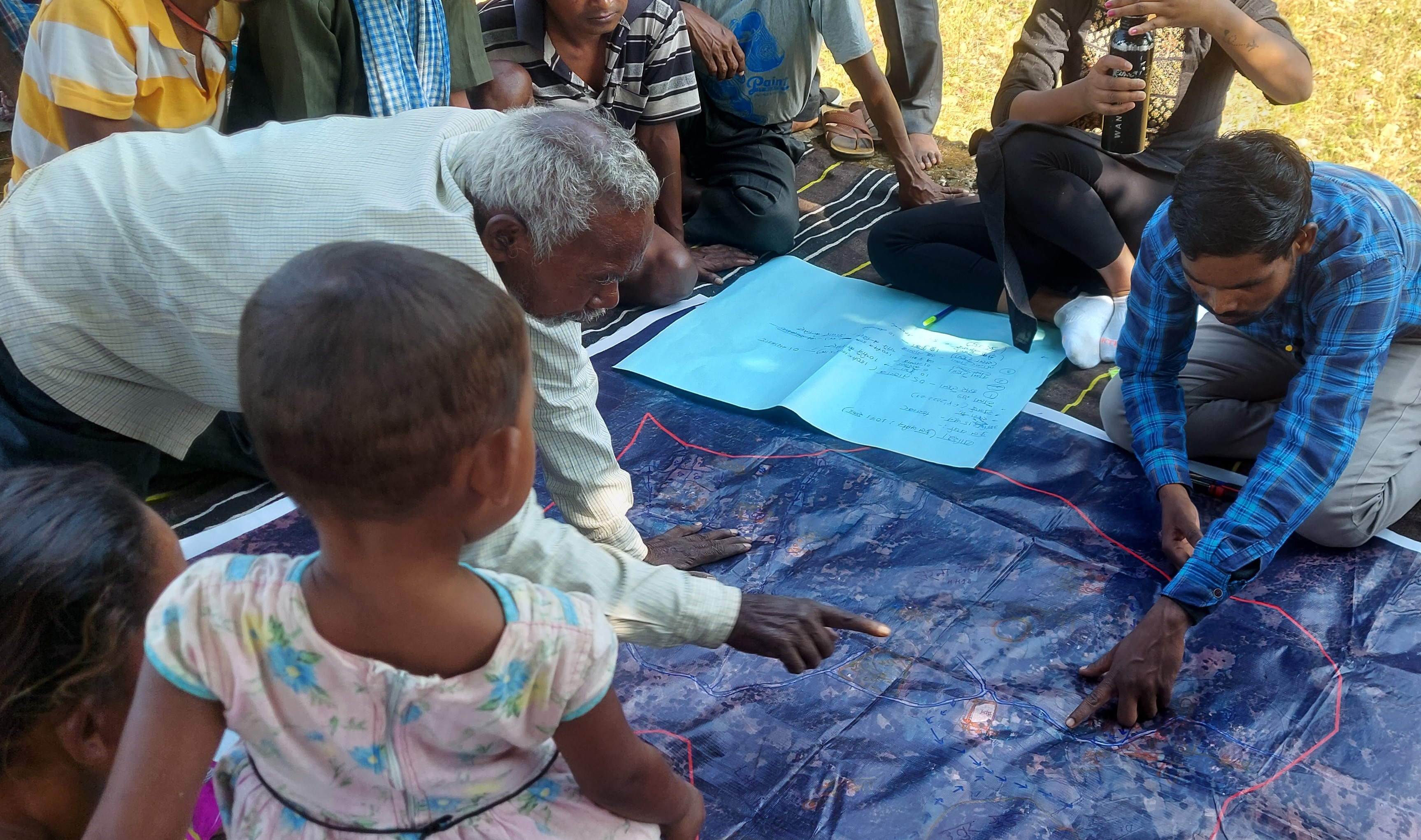
Collective Impact FrameworkThe socio-environmental change that we envision is complex and evolving in real-time. This change cannot be brought about by a single organisation or sector or skillset. We need multi-disciplinary research, multi-institutional partnerships and cross-sectoral collaboration to make this happen. We need to drive diverse stakeholders and their interests towards a common goal. We work on creating such frameworks for collective action and impact. |
 |
We are always looking to welcome like-minded people into our team. If our work interests you, browse open positions below.
We are looking for a senior statistician with 4-5 years of experience to help make knowledge, data and tools more accessible to the larger ecosystem
We are looking for a senior statistician with 4-5 years of experience to help make knowledge, data and tools more accessible to the larger ecosystem
We are looking for a senior statistician with 4-5 years of experience to help make knowledge, data and tools more accessible to the larger ecosystem
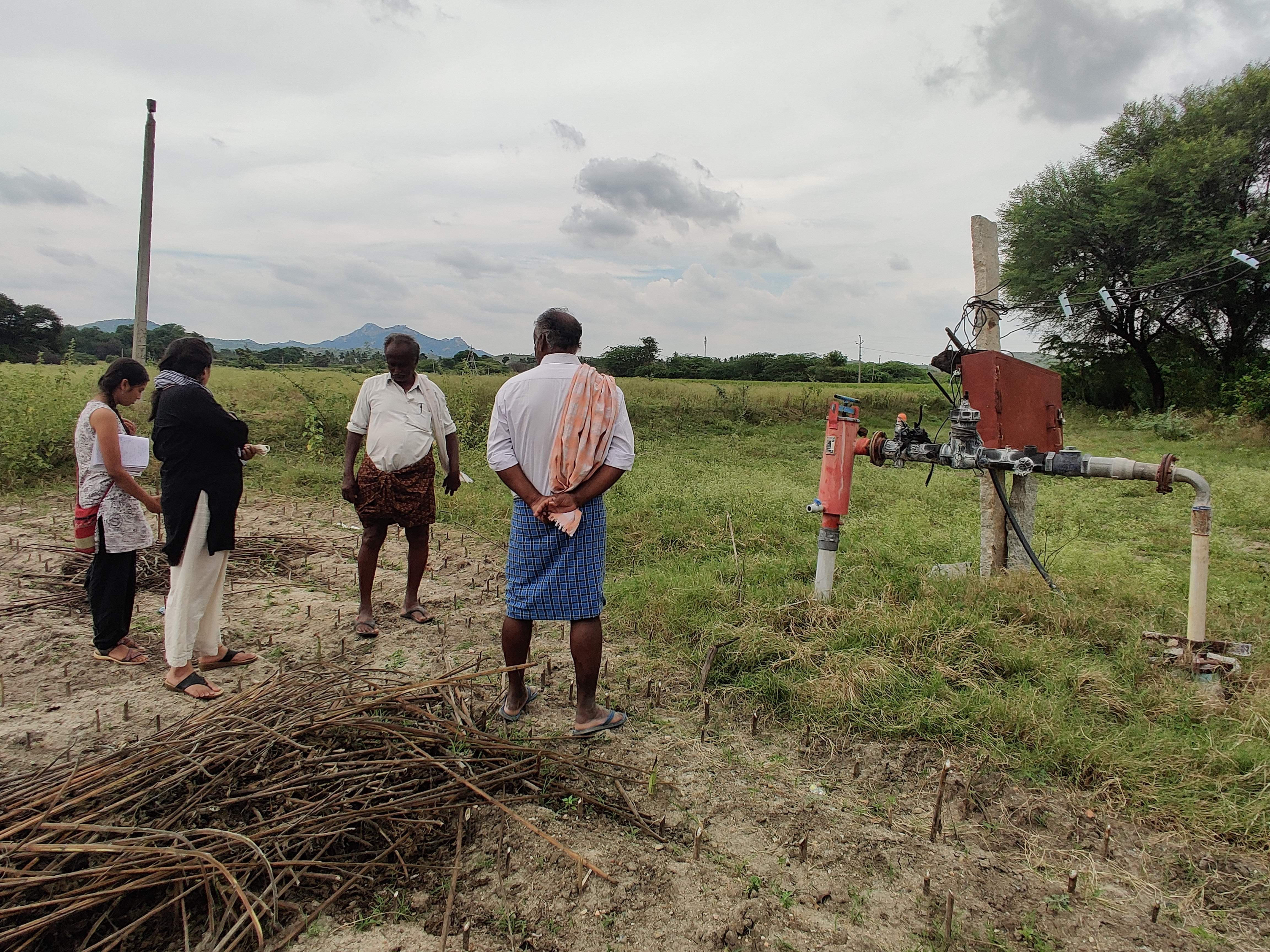
There is a need to relook at the way CSOs identify problems and approach solutions. Diagnostic tools can help communities arrive at solutions more efficiently by learning from others.
The Water Resilience Coalition has undertaken analyses to understand the status of water-stressed basins across the world in order to drive water-related collective action among companies and create a positive impact in 100 basins across the world.
The Sittilingi Organic Farmers Association (SOFA) shows how collectives founded on strong community values can benefit small and marginal farmers and the local ecology.

As the second highest user of freshwater in India, industry can use CSR funds imaginatively to maximise conservation gains.
In April we started sending out a quarterly newsletter that discusses Jaltol’s development and engagement updates. It also laid out how users can help build Jaltol.
Jaltol–our free, open-source water accounting tool–has come a long way in the last six months. Currently, we are field testing the following features with our co-creators in an early limited release of Jaltol v2.